The Government of India announced the annual licensing policy for opium poppy cultivation for farmers in Madhya Pradesh, Rajasthan and Uttar Pradesh for crop year 2025-26.
- It states that about 1.21 lakh farmers will be eligible for licences to cultivate opium poppy during the crop year 2025-26, which is an increase over the previous year.
- The policy aims to ensure adequate supply of alkaloids for medical and palliative care purposes.
When the word opium comes to mind, illegal is another word that often follows. However, opium cultivation is not always illegal. The Central Bureau of Narcotics gives licences to farmers to cultivate opium in certain regions and also procures the produce from them.
Granting licences alone is not sufficient because opium, being a narcotic substance, can be misused if procured by any other agency or individual. Therefore, the CBN also directly procures the produce.
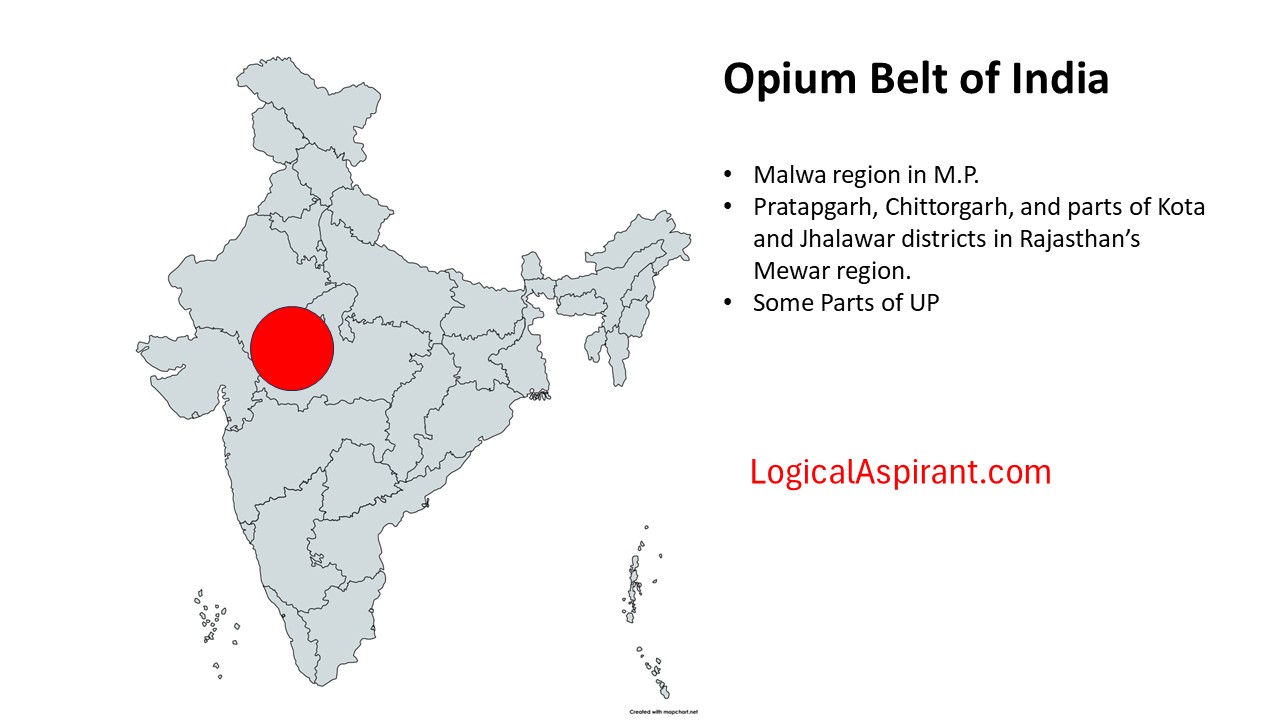
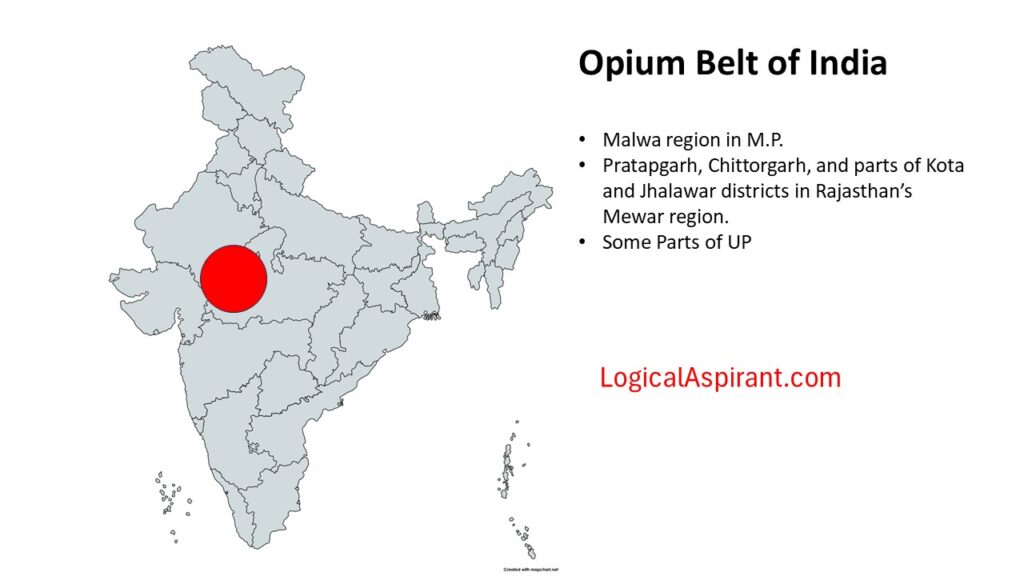
The Malwa region of Madhya Pradesh and the Mewar region of Rajasthan are areas which produce 85% of opium legally grown by farmers who have been granted licences by the CBN.
You might think that the CBN works under the Ministry of Agriculture, but it actually functions under the Department of Revenue (DoR) of the Union Ministry of Finance.
The system exists under the Narcotic Drugs and Psychotropic Substances Act and associated government notifications, which describe where and how licensed cultivation can take place and the conditions farmers must meet to get licences.